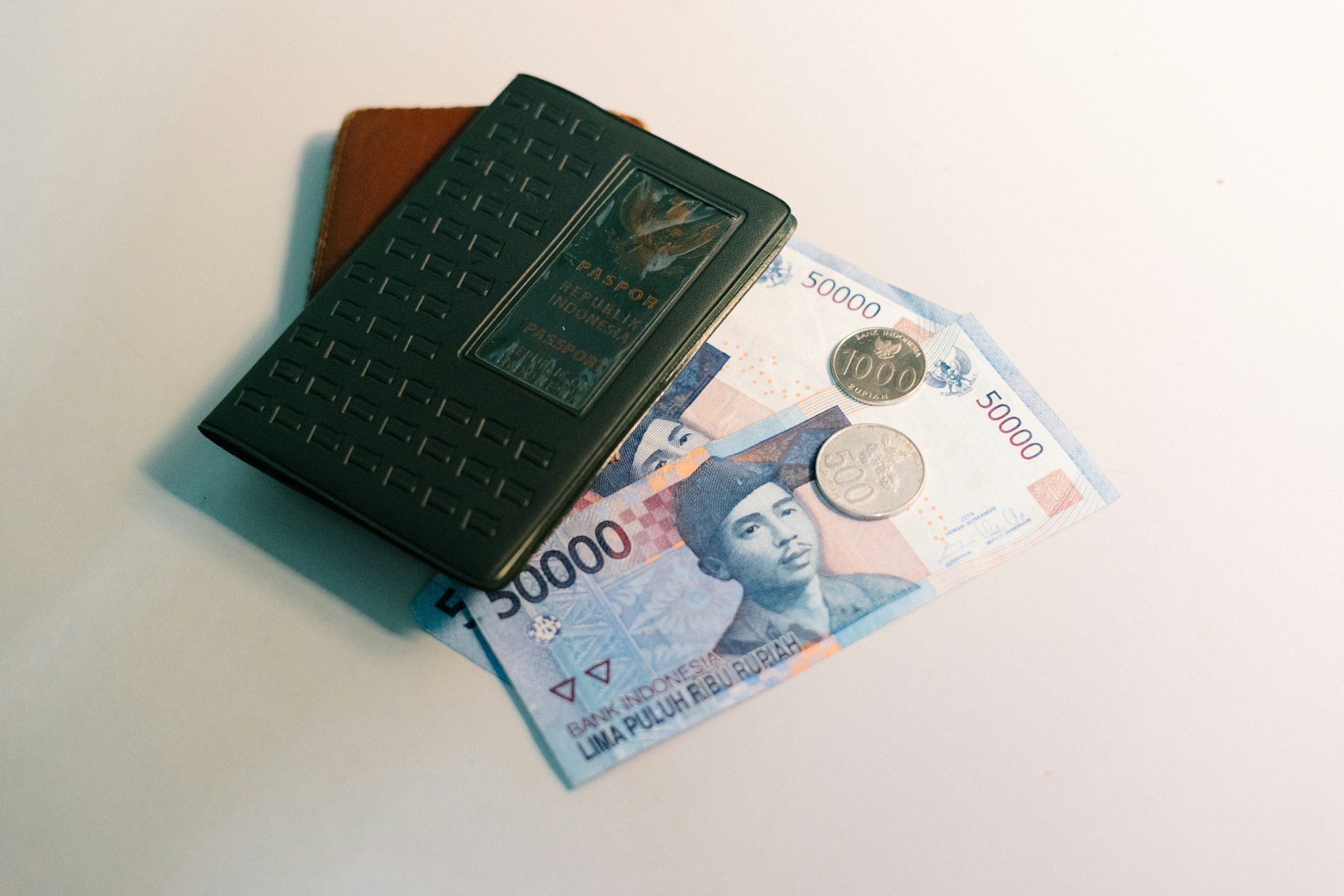
Everyone in the group chat is excited. Flights are getting cheaper. Someone found an incredible villa. The mood is electric.
And then someone has to say it.
"So... what's everyone's budget?"
Silence. The three dots appear and disappear. Someone changes the subject. The question hangs there, unanswered, until it's too late — and by then, someone's quietly panicking about costs they can't afford but won't admit to.
Money is the last taboo in friendships. We'll talk about relationships, mental health, career struggles — but the moment someone asks "can you actually afford this?" the conversation shuts down. Trip planning is the one activity that forces the issue, and most groups handle it by simply... not handling it.
The Two Fears Nobody Voices
When friends have different budgets — and they almost always do — two fears run in parallel, and neither one gets spoken aloud.
The person who can't afford it isn't afraid of being broke. They're afraid of being exposed. Of being the reason the group "has to" downgrade. Of seeing the flicker of disappointment when they suggest a cheaper hotel. They fear being slowly, politely excluded from future plans — not because anyone is cruel, but because the group will naturally drift toward experiences they can't keep up with.
The person who can afford it fears something different: being seen as oblivious, or worse, as someone who flaunts their financial position. They don't want to suggest the expensive option and have it feel like a power move. They also don't want to constantly subsidize others in a way that creates an uncomfortable dynamic.
Both sides are managing the same underlying anxiety: will money change how my friends see me?
Why "We'll Figure It Out" Never Works
Most groups dodge the budget conversation by assuming alignment will happen organically. It won't. Here's what actually happens:
-
The most expensive option sets the anchor. Someone shares a stunning beachfront property, and suddenly that's the baseline. Suggesting something cheaper feels like a downgrade, even if it's perfectly nice.
-
Costs accumulate invisibly. The hotel might be within budget, but then add meals, activities, transportation, and tips. The person stretching their budget didn't account for $18 cocktails at every dinner.
-
Resentment builds silently. The person overspending doesn't say anything because they don't want to "ruin the vibe." The person underspending doesn't say anything because they don't want to seem cheap. Both leave the trip with a financial hangover and a slightly strained friendship.
-
Someone gets blindsided by the split. When the bill comes and it's split evenly, the person who ordered water and a salad is subsidizing the person who ordered three rounds of drinks and the lobster. It feels unfair, but saying so feels petty.
A Script for the Conversation
The budget talk doesn't have to be awkward. It just needs to happen early, framed as practical rather than personal. Here's language you can actually use:
Opening the Conversation
"Hey everyone — before we get too deep into planning, let's get on the same page about budget. I want to make sure we pick something that works for everyone so nobody's stressed about money during the trip. Can everyone share a rough range of what they're comfortable spending total (flights, hotel, food, activities)?"
This works because it:
- Frames alignment as the goal, not interrogation
- Asks for a range, not an exact number (less exposing)
- Includes everything, not just accommodation (prevents surprise costs)
- Positions it as protecting the group experience, not policing spending
If Someone's Budget Is Significantly Lower
"Totally respect that. Let's see if we can find options that keep the experience great for everyone. Maybe we look at a different neighborhood, or a place where we can cook a few meals instead of eating out every night. The important thing is that everyone's there."
This works because it:
- Doesn't make the person feel like a burden
- Treats the constraint as a creative challenge, not a limitation
- Reinforces that their presence matters more than the price point
If the Group Is Split Between Budget Levels
"What if we anchor the shared stuff (accommodation, group activities) at the lower budget, and people who want to splurge on individual things can do that on their own? That way nobody's pressured either direction."
This works because it:
- Creates a two-tier system without labeling people
- Lets higher earners spend more without dragging others along
- Keeps shared expenses fair
Make Budget Alignment Mechanical, Not Personal
The hardest part of the budget conversation is that it feels personal even when it's purely practical. The best way to defuse that is to make the alignment happen through a tool, not a conversation.
With Plan Harmony, your group can use the built-in budget tracking features to set a trip budget that everyone can see. As accommodation and activity options get added to the itinerary, costs are visible to the whole group — not buried in one person's research. Everyone can see what the trip is actually going to cost, in real time, before anything gets booked.
This changes the dynamic entirely. Instead of one awkward conversation where someone has to admit they can't afford the villa, the group collectively watches the numbers and naturally gravitates toward options that fit. Budget alignment becomes a byproduct of transparent planning, not a confrontation.
The Conversation That Saves the Friendship
Here's the truth that nobody wants to hear: the budget conversation you're avoiding right now is dramatically less uncomfortable than the resentment, stress, and financial strain that comes from skipping it.
A five-minute text in the group chat — sent early, framed with care — can prevent weeks of silent tension. Your friends won't judge you for bringing it up. Most of them are relieved someone finally did.
And if you want the budget conversation to happen naturally, without anyone having to be the one to "bring it up," use a planning tool that makes costs visible from the start. When everyone can see the numbers, nobody has to be the one to say them out loud.
Start your next trip on Plan Harmony — where budgets are shared, not secrets.
Money is just one of the hard conversations. If you're also dealing with the trip planner's resentment cycle, the budget problem makes it worse. And when people start dropping out after you've already booked, read about the text that ruins every group trip and how to prevent it. For the structural fix to group decision-making, see how to make group travel decisions without the drama.
Enjoyed this article?
Share it with fellow travelers planning their next adventure.