Japan trips involve a volume of micro-logistics that overwhelms standard tools — JR Pass activation timing, timed-entry tickets for teamLab, restaurant reservations that open exactly 30 days in advance, and a transit system that rewards precision. This guide breaks down how to plan a Tokyo trip so nothing falls through the cracks.
Best Time to Visit Tokyo
Spring (March-May) is peak season, especially during cherry blossom season (late March to early April). While crowded and expensive, witnessing the sakura bloom is a once-in-a-lifetime experience. Book accommodations months in advance.
Summer (June-August) brings hot, humid weather and the rainy season (tsuyu) in June. However, you'll find fewer tourists and summer festivals featuring fireworks and traditional celebrations.
Fall (September-November) offers comfortable temperatures and beautiful autumn foliage, particularly in November. A great time to visit with manageable crowds.
Winter (December-February) provides the clearest skies for viewing Mount Fuji and the lowest prices. While cold, Tokyo rarely sees snow, and you can enjoy hot springs and winter illuminations.
How Long Should You Stay in Tokyo?
For a first visit, plan for 7-10 days to explore Tokyo's diverse neighborhoods without rushing. A sample itinerary:
- Days 1-2: Shibuya and Shinjuku - modern Tokyo at its finest
- Day 3: Harajuku and Meiji Shrine - fashion and tradition
- Day 4: Asakusa and Senso-ji Temple - traditional Tokyo
- Day 5: Akihabara and Ueno - anime culture and museums
- Day 6: Day trip to Nikko or Kamakura
- Day 7: Day trip to Mount Fuji or Hakone
- Days 8-9: Explore secondary neighborhoods and revisit favorites
- Day 10: Last-minute shopping and departure
Understanding Tokyo's Neighborhoods
Shibuya
The famous scramble crossing, trendy shopping, and nightlife. Base yourself here for easy access to multiple train lines and a vibrant atmosphere.
Shinjuku
Tokyo's largest entertainment district with incredible restaurants, department stores, and the Golden Gai bar district. The west side features business hotels; the east side offers nightlife.
Asakusa
Traditional Tokyo with the iconic Senso-ji Temple, traditional shops on Nakamise Street, and a slower pace. Great for experiencing old Edo culture.
Ginza
Upscale shopping, art galleries, and fine dining. Tokyo's most elegant neighborhood with flagship stores from global luxury brands.
Harajuku & Omotesando
Youth fashion culture on Takeshita Street contrasts with the sophisticated boutiques on tree-lined Omotesando Avenue.
Akihabara
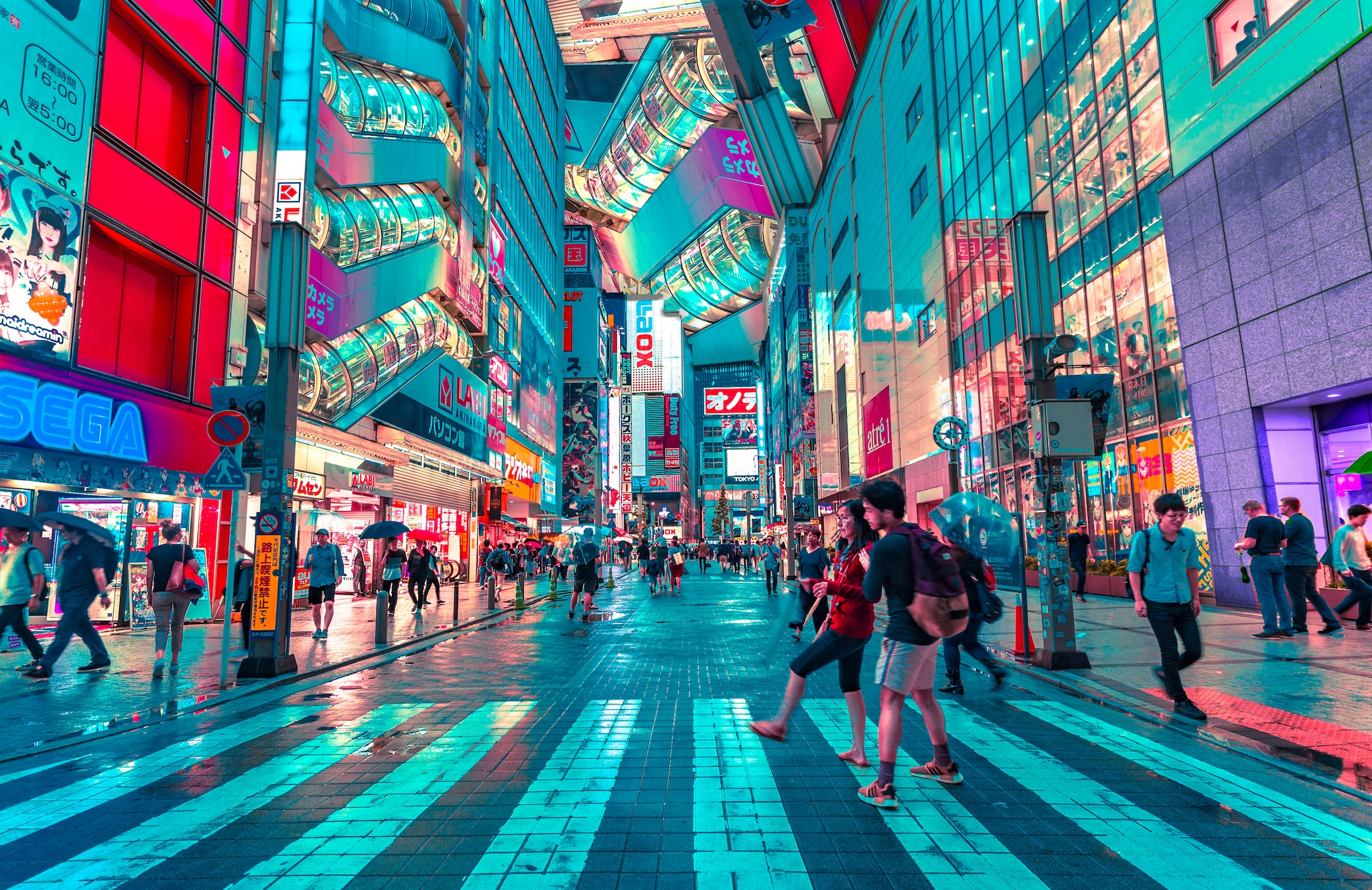
Electronics, anime, manga, and gaming culture. A must-visit for tech enthusiasts and pop culture fans.
Essential Japan Travel Tips
The JR Pass
Purchase a Japan Rail Pass before arriving if you plan to take day trips or travel to other cities. The 7-day pass pays for itself with just one round-trip to Kyoto. Buy through authorized vendors and exchange the voucher for the actual pass at major stations.
IC Cards (Suica/Pasmo)
Get a rechargeable IC card immediately upon arrival. It works on all trains, buses, and many vending machines and convenience stores. Tap in and tap out - no need to figure out complex fare calculations.
Cash is Still King
Despite being a tech-forward country, Japan remains largely cash-based. Carry yen with you, especially for smaller shops, temples, and restaurants. 7-Eleven ATMs accept international cards.
Language
While English signage exists in tourist areas, learning basic Japanese phrases is appreciated. Download Google Translate with offline Japanese for emergencies.
Must-Do Tokyo Experiences
Visit Tsukiji Outer Market
While the inner market moved to Toyosu, the outer market remains a fantastic food destination. Arrive early for the freshest sushi breakfast you'll ever have.
Experience a Traditional Tea Ceremony
Book a tea ceremony experience in neighborhoods like Asakusa or Harajuku for insight into this centuries-old tradition.
Explore a Department Store Food Hall (Depachika)
The basement floors of department stores like Isetan or Mitsukoshi feature incredible food halls with free samples and ready-to-eat meals.
Bathe in an Onsen
Experience Japanese bathing culture at an onsen (hot spring) or sento (public bath). Follow proper etiquette: wash thoroughly before entering the bath.
Watch Sumo Wrestling
If visiting during a tournament (January, May, September in Tokyo), watching sumo is unforgettable. Buy tickets in advance or try for same-day seats.
Tokyo Food Guide
For Sushi
Skip tourist areas and seek out neighborhood sushi restaurants or standing sushi bars at train stations for authentic experiences at reasonable prices.
For Ramen
Tokyo has countless ramen styles. Try tonkotsu (pork bone) in Shinjuku, tsukemen (dipping noodles) in Ikebukuro, or classic shoyu in Asakusa.
For Izakaya Experience
These casual pubs offer small plates and drinks. Look for ones with red lanterns outside. Order a variety of dishes to share.
For Convenience Store Food
Japanese convenience stores (7-Eleven, Lawson, Family Mart) offer surprisingly excellent food, from onigiri to fresh sandwiches.
Day Trips from Tokyo
Nikko (2 hours)
UNESCO World Heritage shrines and temples in a mountain setting. Incredibly ornate Toshogu Shrine is the main attraction.
Kamakura (1 hour)
Ancient capital with the famous Great Buddha, numerous temples, and seaside walks. Perfect for a relaxed day trip.
Hakone (1.5 hours)
Mountain resort town with hot springs, art museums, and views of Mount Fuji. Take the scenic Hakone Loop route.
Mount Fuji (2-3 hours)
Visit the Fuji Five Lakes area for iconic views. Climbing season runs July-September if you want to summit.
Planning Your Tokyo Trip with Plan Harmony
Japan trip logistics are uniquely complex — JR Pass timing, pocket WiFi pickup, konbini reservations, and a transit system that rewards precision. Plan Harmony keeps all of it in one shared itinerary so your group can see the plan, vote on day-trip options, and stop losing reservation details in the group chat.
Planning a multi-city trip? See our Paris guide or packing light strategies for traveling between destinations efficiently.
Cultural Etiquette Tips
- Remove shoes when entering homes, traditional restaurants, and some shops
- Bow when greeting and thanking people
- Don't tip - it can be considered rude
- Keep voices low on public transportation
- Walk on the left side of escalators and sidewalks in Tokyo
- Don't eat while walking
- Carry a small bag for trash as public bins are rare
Tokyo is a city that rewards curiosity and patience. Each neighborhood offers distinct experiences, and there's always something new to discover, even for repeat visitors. Embrace the adventure and enjoy your journey through this extraordinary city!
Enjoyed this article?
Share it with fellow travelers planning their next adventure.